
European Capitals of Culture
Key Note: Culture as an
Engine for the City
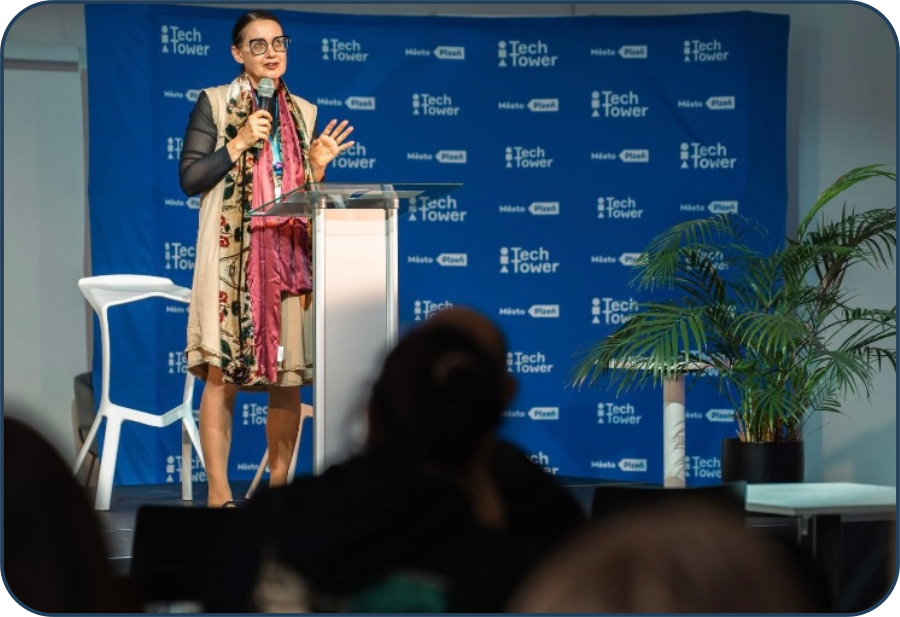
10 years ago, Pilsen was European Capital of Culture
(EcoC), 10 years ago I started my position in the
ECoC selection panel. At a celebration in Pilsen, I
reflected in my key note speech about future
culture policy options of cites.
What remains? This is a frequent question to
European Capitals of Culture.
I argue that while good evaluation of the past is
great learning, we need to focus on main
transformation areas in culture policy. Cities dispose
of some key features helping us to cope with the
challenges of the 21st century and to better use
related opportunities.
A key element is the power of cities and citizens in
relation-building. Cities are important providers of
the cultures of relationships. Cities are built in
context. They never stand alone. It is in their
intrinsic interest (to survive) to have good relations,
internally to organise the urban lifestyle of
permanent (forced, volunteer) interaction and
community building, externally to provide the
citizens with the required resources from near and
far.
These specific features should orient updated city
culture policies. I argue that we need a clear focus
on internationalisation strategies, urban-rural
cooperation, public spaces and social cohesion. All
are interaction areas under substantial pressure in
21st century societies. Cities can provide models to
turn this conflict zones into spaces of cooperation
and good relations while furthering democracy.
Congratulations to the Pilsen team for this great
event and initiative. Adela, Ivana and Michaela you
were perfect hosts!

Mag.
Sylvia Amann
T
ailored Consulting Services
+43 7235 660
5411
office@infor
elais.org









Mag.
Sylvia Amann
Tailored Consulting Services
+43 7235 660
5411
office@infor
elais.org
+43 7235 660
5411 office@infor
elais.org
European Capitals of Culture
Key Note: Culture as an
Engine for the City
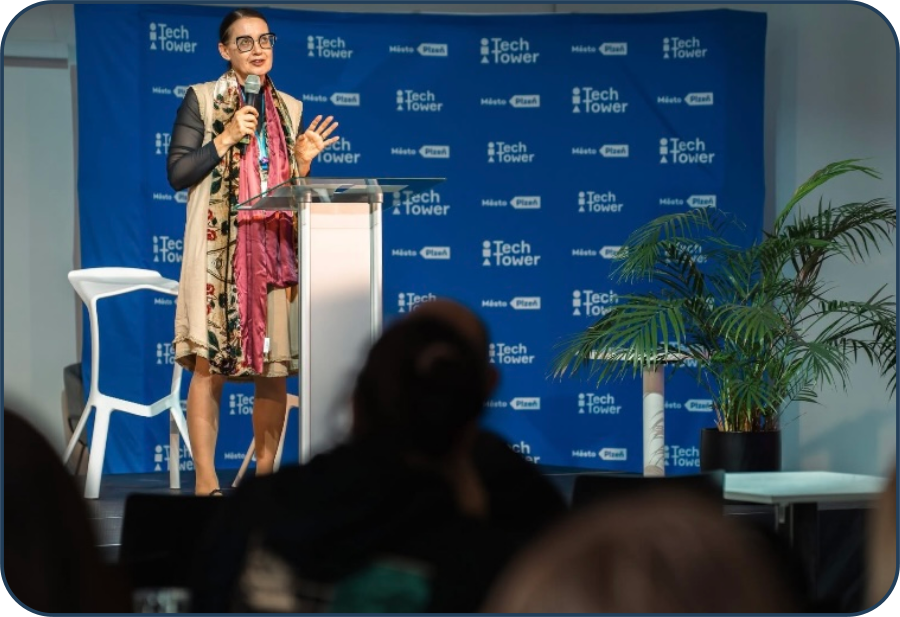
10 years ago, Pilsen was European Capital of Culture
(EcoC), 10 years ago I started my position in the
ECoC selection panel. At a celebration in Pilsen, I
reflected in my key note speech about future
culture policy options of cites.
What remains? This is a frequent question to
European Capitals of Culture.
I argue that while good evaluation of the past is
great learning, we need to focus on main
transformation areas in culture policy. Cities dispose
of some key features helping us to cope with the
challenges of the 21st century and to better use
related opportunities.
A key element is the power of cities and citizens in
relation-building. Cities are important providers of
the cultures of relationships. Cities are built in
context. They never stand alone. It is in their
intrinsic interest (to survive) to have good relations,
internally to organise the urban lifestyle of
permanent (forced, volunteer) interaction and
community building, externally to provide the
citizens with the required resources from near and
far.
These specific features should orient updated city
culture policies. I argue that we need a clear focus
on internationalisation strategies, urban-rural
cooperation, public spaces and social cohesion. All
are interaction areas under substantial pressure in
21st century societies. Cities can provide models to
turn this conflict zones into spaces of cooperation
and good relations while furthering democracy.
Congratulations to the Pilsen team for this great
event and initiative. Adela, Ivana and Michaela you
were perfect hosts!
